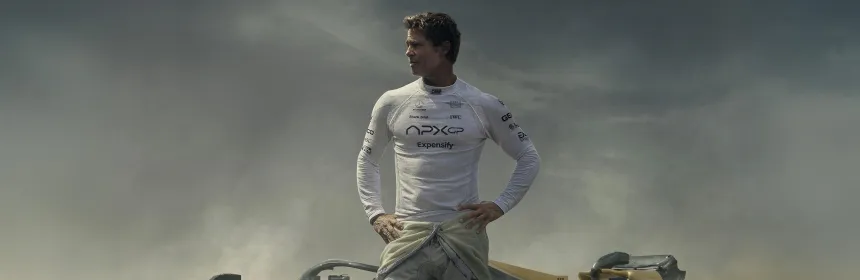
It happens every year. The buzz starts building, whispers turn into leaks, and then, a day before you expect it, the F1 official trailer drops. Whether it’s for the new game or the upcoming season on Netflix, I’ve watched them all. And honestly, most of the time, they miss the mark. After twenty years following the sport, playing every game since F1 2000 on PlayStation, and devouring every documentary, I know exactly what I want to see. And more importantly, what I don’t.
The Game Trailer Trap: What Not to Show
I’m going to be blunt: most F1 game trailers are a waste of time. They show these hyper-stylized cinematic shots that don’t reflect actual gameplay. It’s frustrating. We, the players who pre-order the Champions Edition every single year, don’t want a CGI movie; we want an honest glimpse of the game we’re about to pour hundreds of hours into. I remember the trailer for F1 2021. It looked incredible, all dramatic angles and perfect lighting. Then you boot up the game, and while it’s good, it’s not *that*. This bait-and-switch does a disservice to the developers who work hard on the actual mechanics.
My biggest gripe? Lack of raw, unfiltered gameplay. Give me a lap around Spa-Francorchamps or Monaco GP from a cockpit view. Let me hear the engine notes without an overbearing soundtrack. Show me the physics when a car hits a curb or loses a wing. That’s the real sell. We understand graphical fidelity has limits, but show us what we’re *actually* buying. When I saw the first trailer for Gran Turismo 7, it had plenty of cinematic flair, but it always came back to raw gameplay, showcasing the car models and track detail in motion. EA Sports and Codemasters, listen up: we want less Hollywood, more reality.
Overly Scripted Moments vs. Dynamic AI
It’s always the same. Trailers will feature an impossible overtake or a perfectly staged pit stop sequence. These moments look fantastic on screen, but they rarely reflect the dynamic, unpredictable nature of F1 racing. What I crave is a demonstration of improved AI. Can the AI drivers make mistakes? Do they defend aggressively? Do they take different lines? The true test of an F1 game’s longevity is in its AI, not its scripted highlights reel. Show me a moment where the AI makes a genuine error or pulls off a clever strategy, not just another perfect drift through a chicane.
The ‘New Features’ Mumbo Jumbo
Every year, there are “revolutionary new features.” Often, these are minor tweaks dressed up as major overhauls. A trailer should highlight these features with clear, concise demonstrations. Don’t tell me about “enhanced career mode progression”; show me the new progression trees, the decision points, the expanded R&D options. For example, if you’ve added a new team management system, demonstrate a key decision a player can make and its immediate impact. Specifics sell, vague promises disappoint. I remember one year, they boasted about “updated damage models,” and in the trailer, you saw a wing fall off. Great. But what about punctures? Suspension damage? Engine failures? The details matter.
What I Need From a Netflix Season Trailer
Netflix’s Drive to Survive changed the game for F1’s popularity. Its trailers are usually spot on, but even they can slip. I want drama, raw emotion, and a hint of the season’s overarching narrative. Don’t just show me slow-motion shots of cars speeding by; give me the tension in the paddock, the exasperation on a team principal’s face, the elation of a race winner. The best Drive to Survive trailers are like a microcosm of the season itself.
-
Driver Rivalries: Highlight the key clashes. Is it Verstappen vs. Leclerc again? Or a new intra-team battle like Russell vs. Hamilton? Show me a flash of an angry radio message, a stern look in the garage, or a close wheel-to-wheel moment.
-
Underdog Stories: F1 is at its best when a smaller team or an unexpected driver defies expectations. Give me a glimpse of Haas or Williams celebrating a point, or a rookie driver making a name for themselves. These are the stories that resonate beyond the hardcore fans.
-
Technical Innovation & Strategy: While it’s easy to focus on the human drama, F1 is also about engineering marvels and strategic chess matches. A quick shot of engineers poring over data, or a team principal making a crucial call, adds depth without bogging down the trailer with jargon.
-
Global Appeal: F1 travels the world. Show me the vibrant crowds in Monza, the neon lights of Singapore, the glamour of Monaco. Remind me why this sport is a global spectacle, not just a series of races.
-
Unseen Access: The whole point of Drive to Survive is the access. Show me a moment behind the scenes that no broadcast camera could capture. A private conversation, a moment of vulnerability, something that makes me feel like I’m truly getting an inside look.
Past Trailer Hits and Misses: A Comparison
I’ve seen enough F1 trailers to spot a pattern. Some nailed it, creating genuine excitement. Others felt like a generic promo. Here’s a quick rundown of what worked and what didn’t from my perspective as a veteran fan.
| Trailer Type | Example (Hypothetical) | What Worked | What Missed the Mark |
|---|---|---|---|
| F1 Game Reveal | F1 2023 Official Reveal | Showcased new track details, realistic car liveries, engine audio fidelity. | Too many cinematic cuts, not enough raw gameplay, exaggerated damage models. |
| Netflix Season Preview | Drive to Survive Season 5 | Focused on specific driver rivalries (e.g., Charles Leclerc vs. Max Verstappen), emotional team principal reactions. | Too much reliance on generic slow-motion overtakes, lacked specific behind-the-scenes moments. |
| F1 Event Promo | Monaco Grand Prix 2026 | Emphasized historical significance, unique track challenges, celebrity glamour. | Used stock footage from previous years, failed to highlight potential new storylines. |
The best trailers, whether for a game or a series, understand their audience. For games, it’s about authenticity and gameplay. For documentaries, it’s about the untold story and human drama. It’s not that complicated.
The Elements That Make a Trailer Legendary
I distinctly remember the build-up to the 2012 F1 season. The trailers back then, though less polished than today, focused on the sheer speed and the bravery of the drivers. They didn’t need fancy CGI; they had the real thing. A truly legendary F1 trailer, for me, distills the essence of the sport into a minute or two. It’s about more than just fast cars; it’s about the passion, the engineering, the drama, and the human element pushing boundaries.
What sets a trailer apart is its ability to create a lasting impression, to embed itself in your mind weeks after you’ve seen it. Think about trailers that show the immediate impact of a specific rule change. For instance, imagine a trailer leading up to 2026, when new engine regulations kick in. You could show a quick cut of a new hybrid system working, then juxtapose it with an old V10 roaring. That tells a story without a single word. It creates anticipation not just for the spectacle, but for the fundamental shift in the sport.
Sound Design: The Unsung Hero
Honestly, this is where most trailers fail spectacularly. The sound of an F1 car is iconic. The high-pitched scream of a V10, the aggressive rumble of a V8, the turbocharged hiss of the modern V6 hybrids – each has its own character. Yet, so many trailers drown this out with generic, dramatic orchestral music. I want to *feel* the power of the engine, the screech of the tires under braking, the clatter of a gearbox change. When the F1 2010 game trailer dropped, it was the sound that grabbed me. It sounded like F1. Not some studio-produced approximation, but the real, visceral noise. That’s worth more than any visual effect.
The Pacing: A Story in Seconds
A good F1 trailer isn’t just a montage; it tells a mini-story. It builds tension, introduces characters (drivers, teams), presents a challenge, and offers a glimpse of the resolution – or leaves you hanging. Think of it like a perfectly executed qualifying lap. It starts measured, builds speed, hits its apexes, and finishes with a burst of energy. Rapid cuts for action, slow-motion for impact, and then a quick, punchy title card. It’s a dance between chaos and control. The trailers for the Senna documentary did this flawlessly; they captured the intensity and tragedy of his life in mere seconds through smart editing and well-chosen sound bites.
The Hype Cycle and My Personal Expectations
I’ve been through enough F1 seasons and game releases to know the hype cycle. It starts with rumors, builds with teaser images, and then culminates in the official trailer. My personal rule of thumb is this: if the trailer doesn’t give me goosebumps within the first 15 seconds, it’s failed. I don’t need a deep dive into every feature; I need an emotional connection. The best trailers don’t just inform; they inspire. They make me want to drop everything and immerse myself in the world of F1, whether it’s by firing up my racing wheel or settling in for a new season of drama. If it doesn’t make me feel like I’m about to witness history, it’s just another video.
Q&A: My Trailer Insights
As an F1 veteran, I get a lot of questions about what I think makes a good or bad trailer. Here are some common ones and my unfiltered answers.
What’s the absolute biggest mistake a trailer can make?
Easy. Misrepresenting the product. For a game, that means showing graphics or features that aren’t actually in the final build. For a season documentary, it means hyping up drama that never materializes. Authenticity is . If you show a McLaren battling for a championship in the trailer, and they finish P8 in real life, you’ve created false expectations. Transparency builds trust; deception just breeds cynicism.
Should F1 game trailers focus more on specific car models or overall racing action?
It’s a balance, but I lean heavily towards overall racing action. I know what a Mercedes W15 looks like. I’ve seen it a thousand times. What I haven’t seen is how it *feels* to drive it, how it interacts with other cars, how the physics engine handles collisions at 200 mph. Show me the dynamic interactions, the car’s behavior under pressure, and how it responds to player input. A quick glamour shot of a Ferrari is fine, but it shouldn’t be the main event.
Is it better for a trailer to be short and punchy or longer and detailed?
Short and punchy, every single time. My attention span, like most F1 fans, is tuned to quick bursts of high intensity. Give me 60-90 seconds of pure, unadulterated F1 goodness. Hit me with the highlights, the emotional beats, and then get out. If you need a longer, detailed breakdown, save that for a separate “developer diary” or “behind the scenes” video. A trailer’s job is to hook me, not to educate me on every nuance.
The Quick Verdict on F1 Trailers
Most F1 trailers are mediocre. They follow a template, pack in some dramatic music, and usually show a lot of non-gameplay or rehashed drama. The ones that stand out are those that dare to be different, that offer genuine insight, or that simply deliver on the promise of the product. If you’re going to drop an F1 official trailer, make it count. Don’t waste my time with fluff. Give me the real deal.
My Trailer Checklist
Here’s what I immediately look for when an F1 trailer drops:
- Authentic Engine Sounds: Does it sound like a real F1 car, or a generic race game? If the sound design is weak, the whole experience often follows.
- Unscripted Gameplay Glimpses: Can I spot moments that look like genuine, unedited gameplay, not just cinematic sequences?
- Emotional Stakes: Does it convey the pressure, the joy, the heartbreak of F1? For a documentary, this is non-negotiable.
- Clear Feature Highlights: If it’s a game, are new features demonstrated simply and effectively, rather than just mentioned?
- Pacing and Narrative: Does the trailer tell a story, or is it just a random montage? I want a beginning, a middle, and an end, even in 90 seconds.
Summary: What to Prioritize
When it comes to F1 official trailers, whether for the latest game or the next season of Drive to Survive, my preferences are clear. I’m not looking for flashy CGI or overly dramatic music that drowns out the real stars of the show – the cars and the drivers. I want authenticity, raw emotion, and a genuine peek behind the curtain.
- For Games: Prioritize unfiltered gameplay, realistic physics demonstrations, and clear, concise highlights of genuinely new features. Skip the cinematic fluff.
- For Documentaries/Seasons: Focus on unique behind-the-scenes access, compelling driver rivalries, and the emotional core of the sport. Avoid generic action shots that could be from any season.
Ultimately, a good F1 trailer respects its audience. It knows we’re not casual viewers; we’re enthusiasts who live and breathe this sport. Give us what we really want, and you’ll have our attention, and our money.