
Together, these two films run 346 minutes, yet they reward completely different kinds of attention. Christopher Nolan’s Oppenheimer gets richer when you already understand its timeline, political tension, and final image. Denis Villeneuve’s Dune: Part Two works more like a grand piece of music: the shape becomes clearer, but the impact still comes from scale, rhythm, and sound.
The Rewatch Scorecard: Story, Scale, and Detail
| Category | Oppenheimer | Dune: Part Two | Winner |
|---|---|---|---|
| Runtime | 180 minutes | 166 minutes | Dune: Part Two |
| Story structure | Layered, non-linear biography | Linear political epic | Oppenheimer for detail |
| Visual scale | Scientific and historical realism | Desert warfare and world-building | Dune: Part Two |
| Dialogue density | Very high | Moderate, with long visual passages | Oppenheimer |
| Best repeat-viewing reward | Foreshadowing and moral shifts | Performance, editing, and sound | Oppenheimer by a narrow margin |
Oppenheimer is the better rewatch for close reading. It hides meaning in the order of scenes, in the changing color palette, and in the way characters describe power. Dune: Part Two is the better choice when you want an event film that feels immediate again. Its 166-minute runtime is easier to fit into one evening, and its action scenes gain force from knowing which alliances will break.
The Fast Verdict: Rewatch Dune: Part Two First
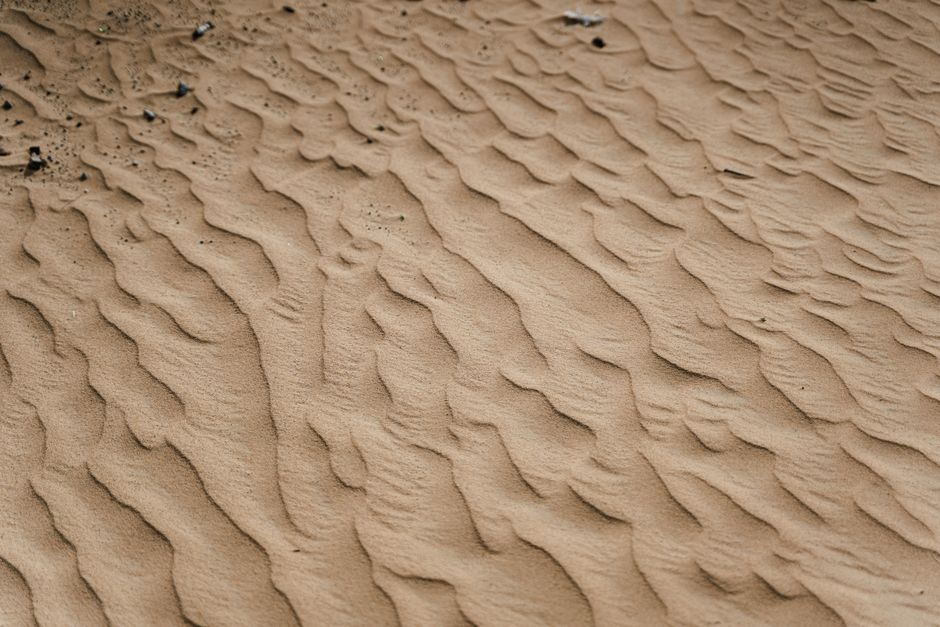
Rewatch Dune: Part Two first if you want the most satisfying single-night experience. It delivers a cleaner emotional journey, moves from Paul Atreides’ exile to his rise with clear momentum, and gives every major set piece a stronger echo once you know what it costs the characters. The sandworm sequence, the arena fight, and the final desert battle do not lose their purpose on a second viewing; they gain visual details, performance choices, and small political signals that pass quickly the first time. Choose Oppenheimer instead if your interest is less about spectacle and more about how a person can win a historic achievement while losing control of the story built around it, because Nolan’s film asks you to track competing memories, testimony, and guilt across a deliberately fractured timeline. My overall pick for most readers is Dune: Part Two for an immediate rewatch, but Oppenheimer is the film that keeps opening new rooms after several viewings.
Why Oppenheimer Changes When You Know the Ending
The first viewing follows the bomb
On a first pass, the Manhattan Project dominates your attention. The film moves through laboratories, security hearings, government offices, and crowded rooms where one sentence can change a career. That pressure makes the story feel like a race toward the Trinity test. You watch to find out if the team can build the weapon before the war ends.
The second viewing follows the frame
Once the outcome is known, the film’s real subject becomes clearer: who controls historical memory. Lewis Strauss wants Oppenheimer weakened, Oppenheimer wants his public identity separated from his private fear, and the scientists around them keep paying for decisions made in rooms they cannot enter. The color sections show Oppenheimer’s subjective experience, while the black-and-white sections create a colder political record. That contrast matters more when you know Strauss’s hearing will not simply judge one man; it will reveal how institutions turn suspicion into a verdict.
Small details become evidence
Rewatch the early classroom scenes, the Chevalier conversation, and the moment Oppenheimer hears about Hiroshima. Each scene carries more weight because later events expose the gap between cleverness and wisdom. The film becomes less about whether Oppenheimer was a hero or villain. It becomes a study of responsibility, reputation, and the danger of treating technical success as moral permission. For that reason, Oppenheimer has the stronger long-term rewatch value.
How to Rewatch Both Films Without Losing the Point
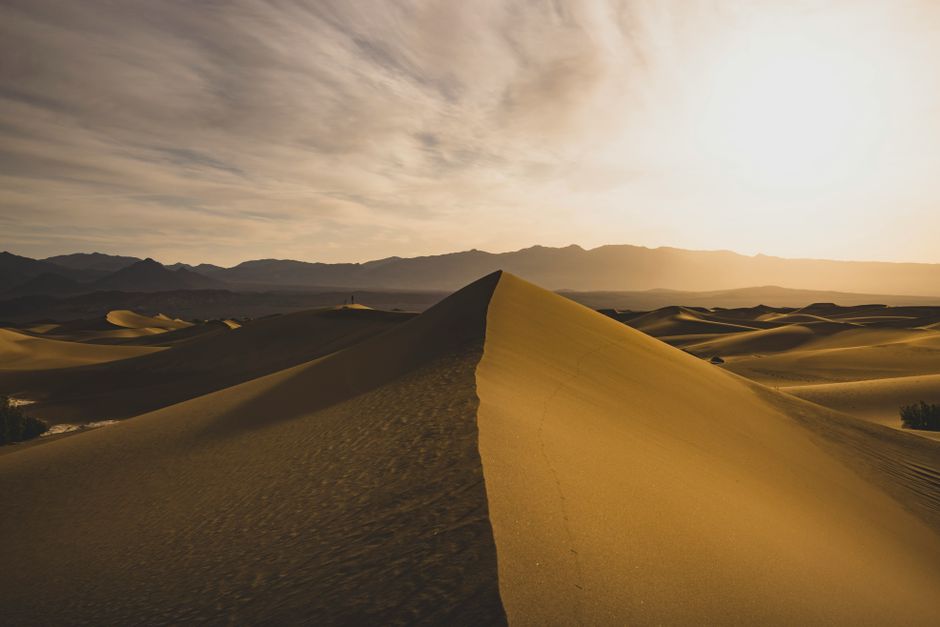
Use a simple order and a few technical checks. The aim is not to turn a film night into homework. It is to protect the details that make each movie work.
- Watch Dune: Part One before Part Two. The first film runs about 155 minutes and establishes the Fremen, Bene Gesserit, imperial politics, and Paul’s visions. Without it, Part Two remains impressive but loses much of its emotional pressure.
- Use the correct home edition. The Universal Pictures Oppenheimer 4K UHD runs 180 minutes, while the Warner Bros. Dune: Part Two 4K UHD runs 166 minutes. Both films benefit from a large screen, strong contrast, and a sound system that can handle deep low-frequency effects.
- Pick a stable playback source. An Apple TV 4K third-generation unit supports Dolby Vision, HDR10+, and Dolby Atmos, making it a practical streaming option. For discs, the Panasonic DP-UB820 supports 4K UHD playback, Dolby Vision, and HDR10+, while the Sony UBP-X800M2 offers 4K UHD playback with Dolby Vision support.
- Pause only at useful points. For Oppenheimer, stop after the Trinity test and after the Strauss hearing to compare what the film has shown with what it has withheld. For Dune: Part Two, pause after Paul drinks the Water of Life and after the emperor arrives. These breaks clarify the political turn without damaging the films’ rhythm.
Do not chase maximum brightness or increase every audio setting. A clear image and balanced dialogue matter more than raw volume. The best setup is the one that lets you hear a whispered warning and still feel the force of an approaching sandworm.
Oppenheimer Is the Better Second Rewatch
My pick for a true second viewing is Oppenheimer. The reason is not that it is more serious or more complicated. It is that the movie changes function once the mystery disappears. The first viewing asks what happened. The second asks who gets to explain what happened, and why certain people are believed.
It rewards active watching
Look at how often characters speak indirectly. Scientists discuss safety while thinking about political survival. Government officials discuss security while protecting their own ambitions. Oppenheimer gives an answer, then surrounds it with another person’s version of the same event. The editing makes you revise your judgment instead of settling into one.
Dune: Part Two rewards emotional memory
Dune: Part Two remains spectacular on repeat, but its strongest effects come from anticipation. You remember Paul’s visions, Chani’s distrust, and the price of accepting power. That makes the film more tragic, not necessarily more mysterious. Its best rewatch is about emotional buildup and visual craft; Oppenheimer’s is about interpretation.
Choose Dune: Part Two for a shared movie night, a large-screen spectacle, or a shorter path into a complete story. Choose Oppenheimer when you want to examine scenes, dialogue, and political choices. Those are clear reasons to prefer one, not two versions of the same viewing mood.
Oppenheimer vs. Dune: Part Two Questions Answered

Is Dune: Part Two easier to rewatch?
Yes. Its story moves forward in a more direct line, and the major emotional beats are easy to follow. You can enjoy the action, performances, and production design without tracking several competing timelines.
Do I need to rewatch Dune: Part One?
Rewatching Part One is the best choice if you have forgotten the family history, Paul’s visions, or the political role of the Fremen. It turns Part Two from a large sequel into the payoff of a carefully built conflict.
Which film has more hidden detail?
Oppenheimer has more hidden narrative detail. Its structure, sound design, and shifting viewpoints reward close attention. Dune: Part Two hides detail in costumes, language, architecture, and background action, but its main emotional route stays clear.
Which film should you watch first?
For immediate pleasure, watch Dune: Part Two. For a deeper film discussion, watch Oppenheimer. Both show that modern epics can demand patience without becoming remote, and that contrast points toward an exciting future for serious blockbuster cinema.