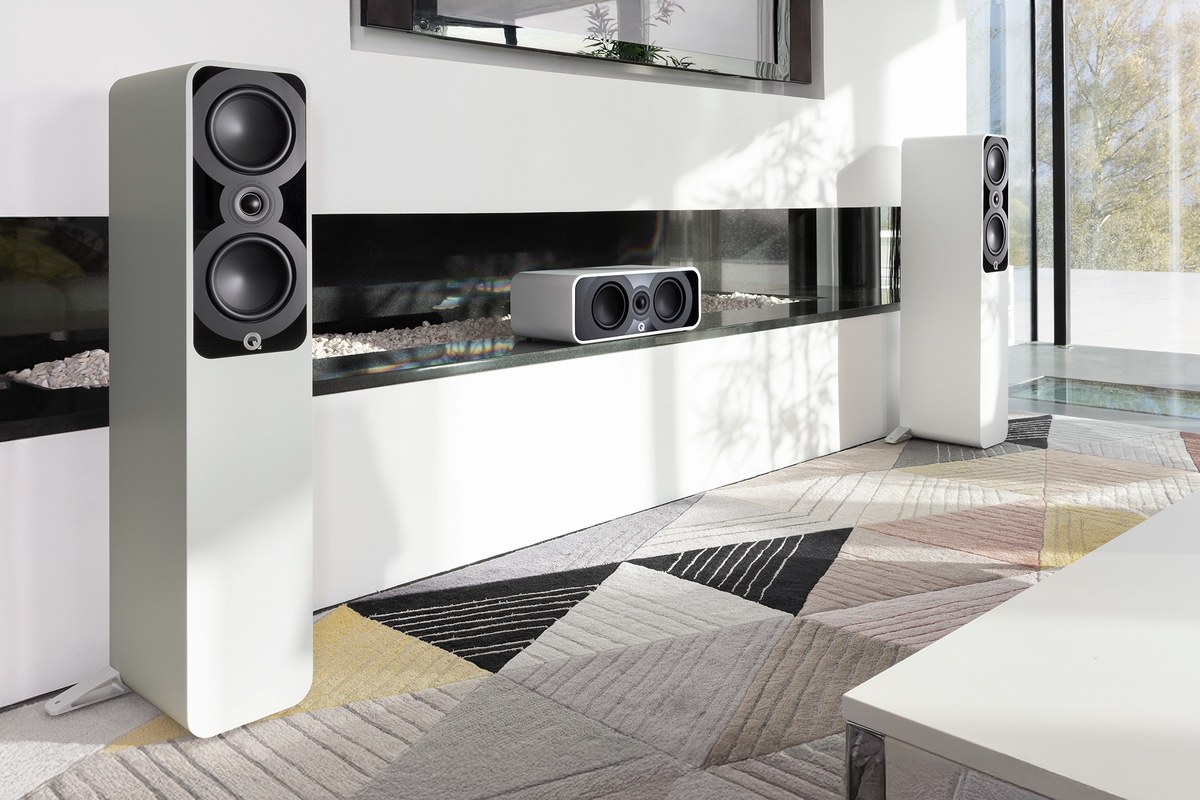
Some films are ruined by a room that cannot handle the quiet parts. The fix is not always a bigger screen. Sometimes it is a cleaner sound path from the first line to the last fade-out.
Build For The Quiet Scenes First
A late-night film test is simple: play a scene where two people speak in a room and nothing explodes. If the voices sound thin, recessed, or oddly detached from the screen, the system is asking the viewer to work too hard.
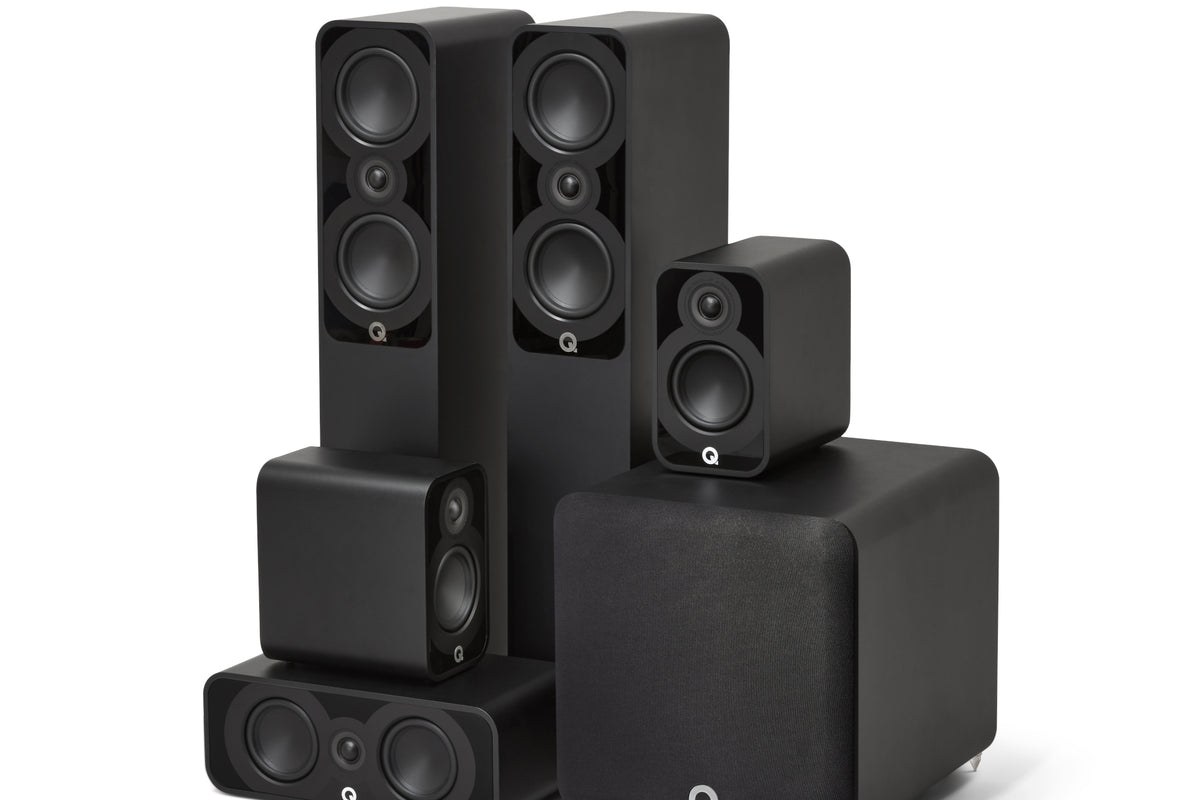
Q Acoustics speakers are a useful starting point because the range is built around coherent packages rather than a random stack of boxes. That matters when the aim is not just volume, but a room where voices, score, and effects feel like they belong to the same film.
Give Bass A Role, Not Permission To Wander
Bass is where many home setups lose discipline. A subwoofer should add pressure, scale, and atmosphere, not blur the scene or annoy the next room. In film terms, the low end should support the cut rather than announce itself over it.
For watch parties, that difference is huge. The room can handle a thriller, a concert film, or a superhero rewatch without forcing constant volume changes. The best compliment is that nobody talks about the system because everyone is actually watching.
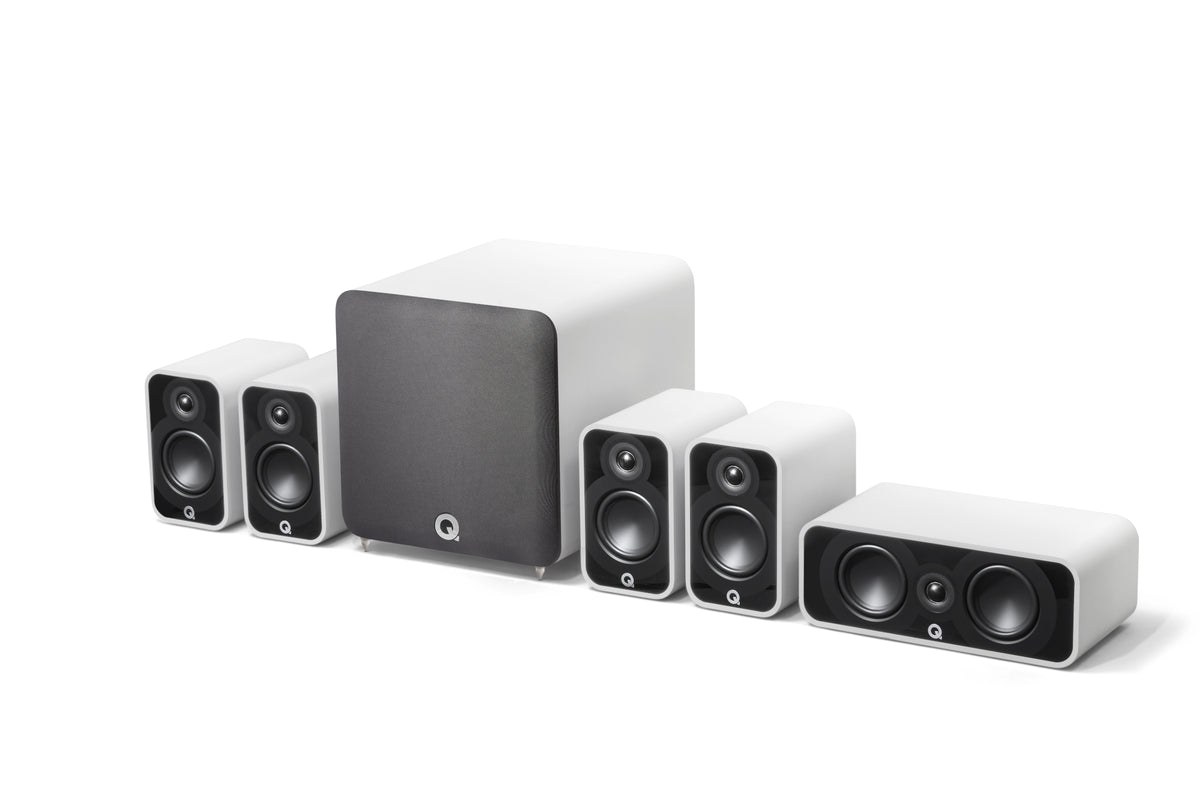
The right speaker package changes the habit of watching. Instead of nudging volume up and down, the room can settle into the film and let the soundtrack do its work.
Home Cinema Should Feel Effortless
A Q Acoustics setup is not only for people building a dedicated screening room. It can help an ordinary living room behave more like a listening space, which is exactly what a good movie night needs.