
You press play on an old crime film and get a private detective, a dangerous stranger, a missing person, and shadows cut across every wall. The dialogue sounds sharp, but the plot seems to move faster than you can track. That is a normal first reaction to film noir.
The useful question is not which noir film ranks highest. It is what the film wants you to notice: who controls the information, how the lighting changes your judgment, and why the hero keeps choosing the worst available option. This guide treats classic noir like a careful claims review. Each detail matters, but not every detail carries equal weight.
What film noir is—and is not
Film noir is a style of crime storytelling built around moral pressure, visual darkness, and limited choices. It is not simply any black-and-white movie, detective story, or film with a woman in a red dress. The label describes a group of patterns that became especially visible in American films made during and after World War II, while drawing on German Expressionist photography, hard-boiled fiction, French poetic realism, and wartime anxiety.
Why the genre feels so suspicious
Noir protagonists rarely enter a case with a clean advantage. They owe money, want approval, fear exposure, or believe they can outsmart people with better information. The central problem is often not finding the truth. It is deciding what to do after the truth becomes dangerous.
This gives noir its consumer-warning quality. A promise may sound attractive, but the hidden exclusions matter more. A friendly offer can carry a cost that appears only after the hero accepts it. Watch for contracts, debts, blackmail, secret identities, and favors that cannot be returned.
What noir is not
A gangster film can be noir, but gangster films are not automatically noir. A mystery can use noir techniques without belonging to the cycle. Color films can also be noir, especially when they use harsh contrast, boxed-in rooms, poisoned romance, and a hero trapped by a decision made early in the story. The strongest test is pressure: does the film make every choice feel compromised?
For beginners, the clearest verdict is simple: start with classic American noir, but judge the genre by its moral design rather than by its age, black-and-white photography, or detective subject.
How to read noir lighting, sound, and space
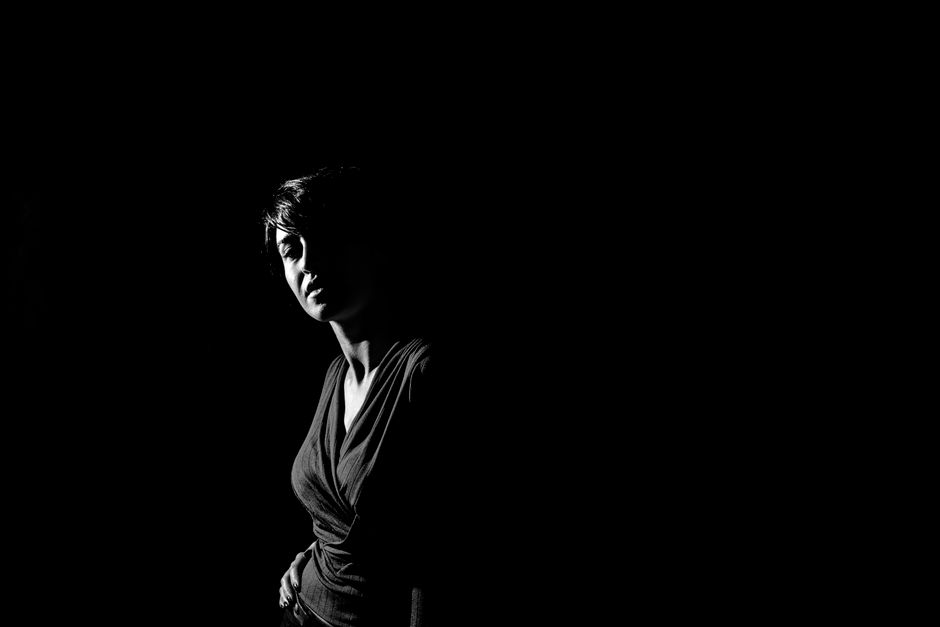
Noir photography does not merely make a scene look stylish. It controls what you know. A face hidden in darkness may signal guilt, fear, or simple lack of access. Venetian-blind shadows can suggest a prison before anyone mentions arrest. Streetlights divide a character into bright and dark sections, turning an ordinary person into a visible argument.
Follow the light before following the dialogue
Begin with three checks. First, ask who is fully visible and who remains partly concealed. Second, notice when a character crosses from light into shadow. Third, compare public and private spaces. Offices, hotel rooms, train platforms, and narrow hallways often carry different levels of risk.
High-contrast lighting usually creates uncertainty rather than proof. A dark face does not mean the person is evil. It means the film wants you to delay trust. That distinction protects you from the most common beginner mistake: treating every visual clue as a direct answer.
Listen for distance and control
Sound often reveals power more clearly than the image. A calm voice can dominate a noisy room. Footsteps may arrive before a threat appears. A ringing telephone can force a character to choose between privacy and exposure. Voice-over narration adds another layer, but it does not guarantee honesty. The speaker may be remembering events, defending decisions, or shaping your opinion after the fact.
Space works the same way. A wide street can feel unsafe if the hero has nowhere to hide. A small room can feel secure until the door, window, or telephone changes its meaning. The best reading method is to track access: who can enter, who can leave, who has the key, and who knows the address?
My verdict for first-time viewers: watch the frame and listen for control before trying to solve the murder. Noir rewards attention to power more than fast guessing.
Which noir classics should beginners watch first?
The most useful starter list balances clear storytelling with different versions of the noir mood. The table below uses runtime and viewing purpose as practical filters. These are not interchangeable cases; each film teaches a different part of the genre.
A beginner watch-order comparison
| Film | Year | Runtime | Best lesson |
|---|---|---|---|
| The Maltese Falcon | 1941 | 100 minutes | Hard-boiled dialogue, shifting loyalties, and the private-eye model |
| Double Indemnity | 1944 | 107 minutes | Desire, planning, insurance language, and a bad decision that compounds |
| Laura | 1944 | 88 minutes | Obsession, unreliable impressions, and the mystery of an absent person |
| The Big Sleep | 1946 | 114 minutes | Dense plotting, coded behavior, and deliberate confusion |
| Out of the Past | 1947 | 97 minutes | Fatalism, memory, and the past returning with a bill to collect |
| Detour | 1945 | 68 minutes | Low-budget pressure, bad luck, and a hero with almost no leverage |
The clearest starting point
Choose Double Indemnity first if you want the most teachable introduction. Its plot has a clean chain of cause and effect, and its insurance setting gives the story a built-in lesson about exclusions, evidence, and consequences. The film makes desire look like a business plan, then shows why the plan fails under pressure.
Choose The Maltese Falcon if dialogue and character performance matter most to you. Choose Laura for a shorter, more elegant mystery. Choose Out of the Past if you already understand the basic style and want a darker story about escape that never quite becomes escape.
The Big Sleep is essential, but it should not be your first test. Its 114-minute plot contains deliberate gaps and competing explanations. That confusion is part of the experience, yet it can make beginners blame themselves for a structure that asks viewers to accept uncertainty.
How to watch a noir film without missing the plot
Do not pause every minute to build a perfect suspect chart. That turns a mood-driven story into clerical work. Use a short five-step process instead:
- Record the opening problem. Write one sentence about what the main character wants before the case becomes complicated. Money, safety, desire, and reputation are common starting points.
- Mark each new source of leverage. A photograph, letter, debt, weapon, address, or witness can change who controls the situation. Note the object and the person who holds it.
- Separate facts from claims. When a character tells a story, label it as a statement until the film confirms it. Noir often makes confident people sound more reliable than they are.
- Track the hero’s avoidable choice. The key moment is usually not the final crime. It is the earlier decision to accept money, hide evidence, follow someone, return to a place, or trust a person who has already shown a warning sign.
- Review the ending as a cost report. Ask what the protagonist gained, what disappeared, and which warning sign was ignored. A noir ending may solve the case while leaving the moral problem unresolved.
Three mistakes beginners make
The first mistake is expecting every mystery to receive a neat explanation. Some noir films care more about moral collapse than puzzle repair. The second is assuming the most glamorous character has the most power. Often the person with the address, evidence, or timetable controls the scene.
The third mistake is treating cynicism as the film’s complete message. Noir characters may expect betrayal, but the films still distinguish between selfishness, loyalty, courage, and surrender. If you read every character as equally corrupt, you erase the choices that make the ending matter.
For the smoothest first viewing, watch once for the emotional bargain and a second time for the evidence. That approach gives the story room to work while still rewarding close analysis.
Which film noir should you watch tonight?
What should I watch if I want a clear introduction?
Watch Double Indemnity. It has a strong central scheme, a compact runtime, and a direct visual style. The insurance setting also makes its language unusually precise: coverage, timing, witnesses, and exclusions all become parts of the plot rather than background decoration.
What should I watch if I prefer atmosphere?
Choose Out of the Past. Its story moves between locations and time periods, but its main strength is the feeling that escape has already failed. The film turns landscape, memory, and old relationships into evidence against the hero.
What should I watch if I like fast dialogue?
Choose The Maltese Falcon. Its 100-minute runtime keeps the pressure high, and its characters trade information through jokes, evasions, and sudden reversals. The film is the best first choice for viewers who want to hear noir before they study its lighting.
When should I skip the famous title?
Skip The Big Sleep as your first noir if confusing plot threads frustrate you. Pick it after two clearer films, when you can enjoy tone, performance, and uncertainty without demanding a complete transaction record from every scene. Start with Double Indemnity, move to The Maltese Falcon, then watch Out of the Past. That three-film sequence gives beginners the strongest return: clear cause and effect, sharp dialogue, and the darker emotional logic that defines film noir.