Scene Language Lab For Viewers Who Notice The Craft
Some films stay interesting because of what happens between the obvious moments: a camera angle that changes trust, a cut that hides information, a sound cue that makes a room feel unsafe before anything happens.
Read The Frame Before The Plot
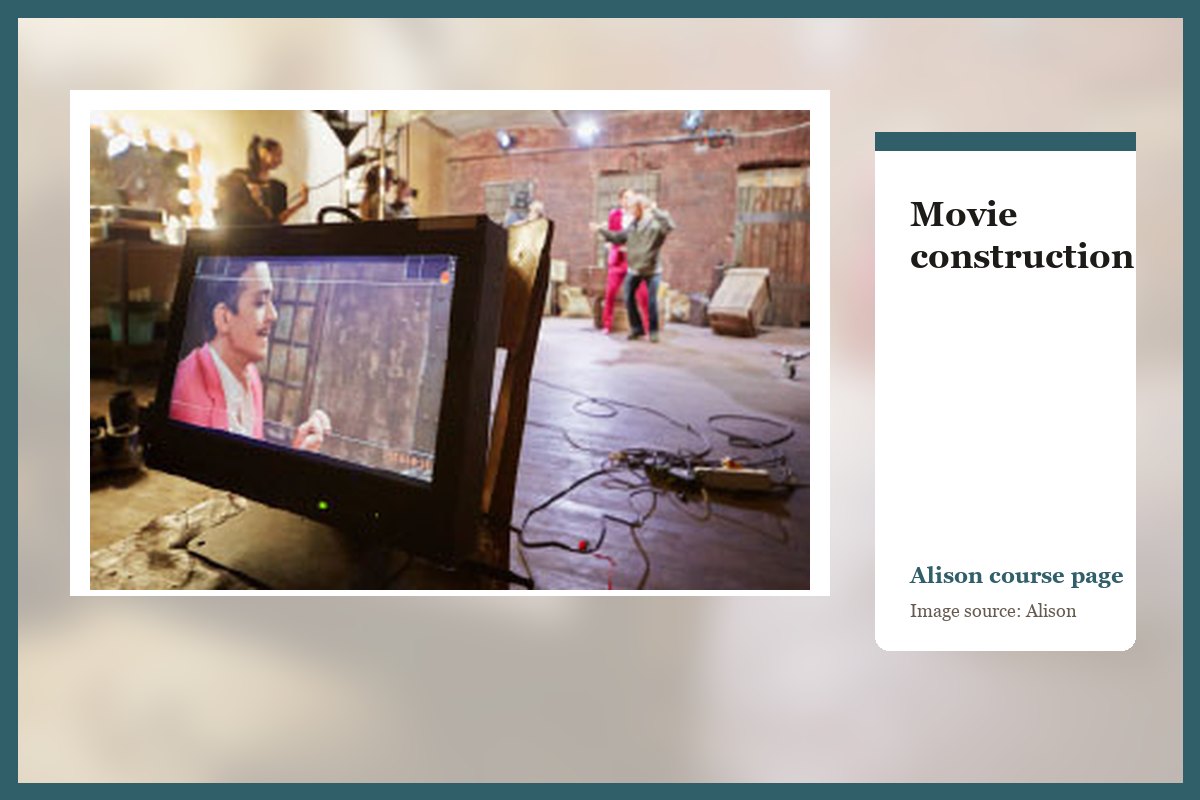
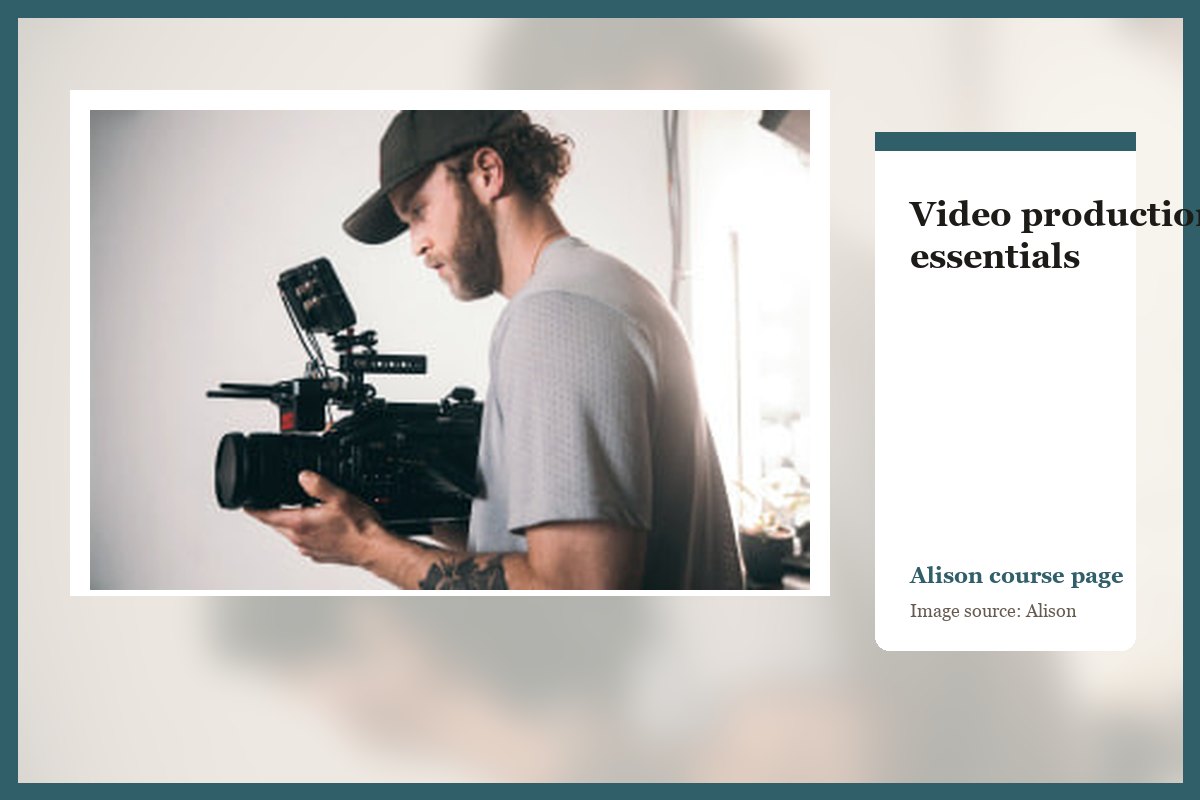
Movie construction and production lessons are useful because they slow the eye down. They encourage viewers to notice placement, movement, light, sound, and editing choices before rushing straight to the ending.
That shift is especially helpful for people who follow trailers, streaming premieres, and franchise releases. The conversation becomes less about hype and more about the decisions that make a scene feel alive.
Turn A Course Into A Watchlist Tool
A compact learning routine works better than a huge syllabus. Pick one production idea, watch two scenes with that idea in mind, and then compare how each scene guides attention.
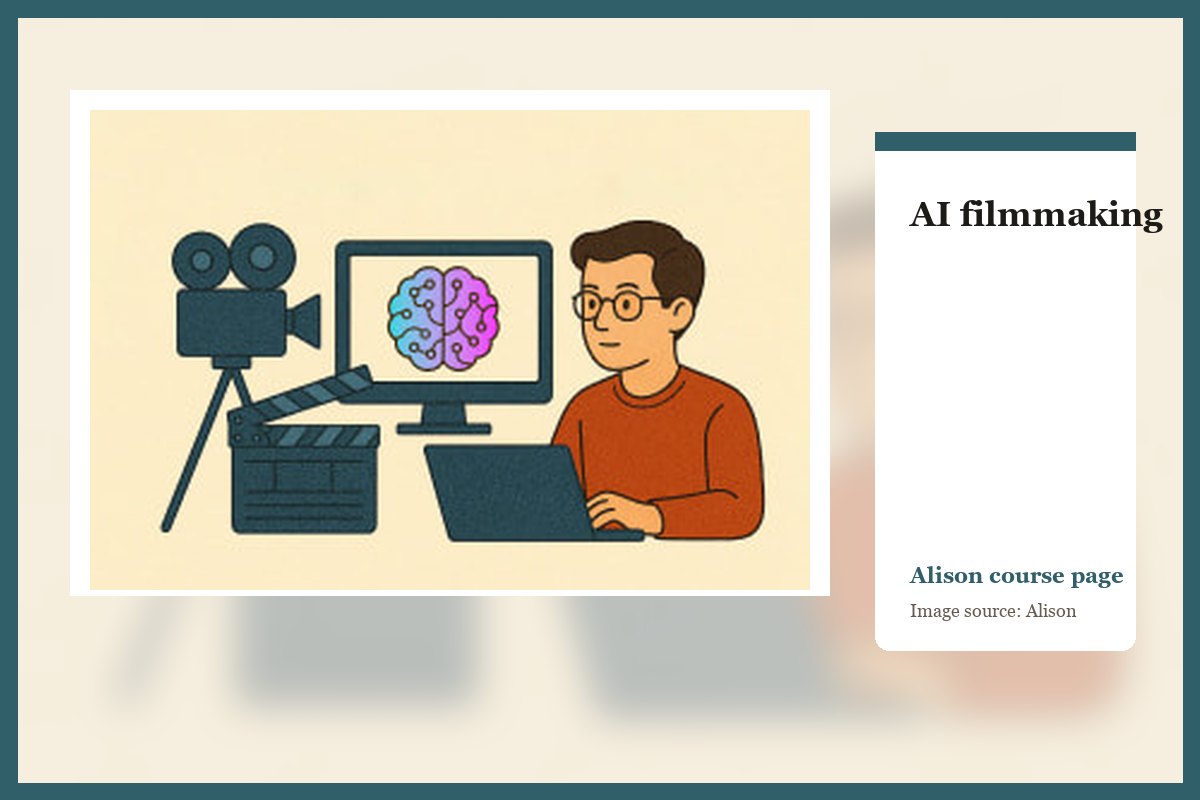
Alison’s film and video courses offer enough structure for that kind of habit. They cover the language around story construction, production, editing, and newer creative tools without asking a casual viewer to abandon the fun of watching.
Keep The Tone Practical
The best film notes are specific without becoming stiff. Instead of saying a scene is ‘cinematic’, point to the lensing, the blocking, the edit, or the sound layer that created the feeling.
That is where a scene-language approach helps. It gives movie fans small, usable terms that make reviews, watch parties, and post-film debates more precise.
A few focused lessons can change how a viewer sees the next release. The movie remains entertainment, but the craft becomes easier to spot and easier to talk about.